









 |
|


The Village Café by SABAH (Exquisite Newari Cuisine and Nepali authentic) Dec Friday 17th to Mon 20th 2021 The YOMAREE Punhi is fast approaching Festival. Yomaree Punhi also known as Dhanya Purnim and Jyapu Diwas is celebrated in the full moon day of December. Thinlā (थिंला), the second month in the lunar Nepal Era calendar.
The Newars make and eat Yomaree with their family members. The kids from the neighborhood go door-to-door, sing the Yomari Punhi song and ask for Yomaris. The house lady too does not miss any chance to fill the baskets of those children.
(Kids in group sing this song while asking yomaree going neighborhood)
” Yomaree Chaamu Uke Duney Hamwa ,byumah lyasi mabyuma Budikuti “
त्यछिं त्य वकछीं त्य लातापाता कुलेचाँ जुछिंत्य ।
योमरी च्वामु उकी दुने हाकु ब्युसा माकु मब्युसा ।।
फाकु ब्युसाल्यासे मब्युस बुढी कुटी ।
( pointed Yomaree filled with Sesame , if you give it , you’re fine lady ,otherwise you’re an old hag ) . Kids these days are Scarecely heard singing this song on the day of yomaree purnima to beg for yomaree in the evening.
Yomaree is a type of Newari food and punhi means full moon. Yomaree punhi is a festival celebreated in full moon day by making, eating and distributing yomaree. This Festival is a very popular in Kathmandu Valley. Yomaree means Tasty Bread yomaree punhi is a Newari Festival Making the end of the rice harvest season. Yomaree is a sweetmeat of rice-flour (from the new harvest) dough, shaped like fig and filled with molasses and sesame seeds, which is then steamed.
Yomari Punhi is observed during very cold days ….. ….
The Village Café by Sabah Nepal
The inception of the Village CAFE BY SABAH Nepal came about with a Simple Idea of Celebrating a confection called Yomaree made using the local ingredients Then, it is usually stuffed with molasses (chaku) and sometimes with khuwa (condensed milk) . The first lot of Yomaree is cooked in the name of God and is filled in the ‘Bhakari’, as an offering to the Goddess.
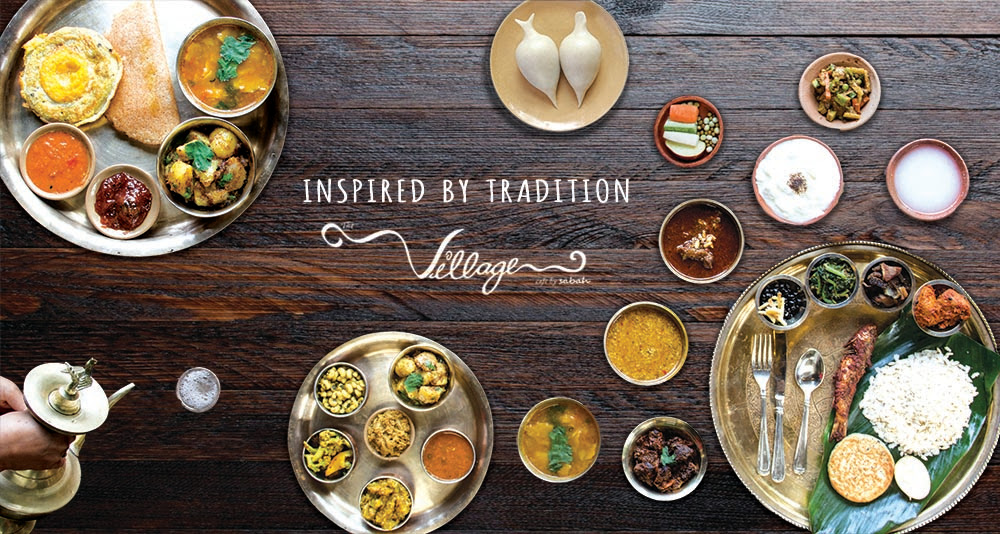 The initiative started by SABAH Nepal (SAARC Business Association of Home- Based Workers) In 2011. Works with home based workers and especially women from marginalized communities and different Socio-economic back grounds and serve as a platform for these women to learn the skillsets required not just to cook ( using their inherited traditional Culinary Skills ) or run a business but also teaches them the value of accountability and independence . The café give them incentive and the liberty to understand their value as women .It servers as grounds where these women thrive in the mindset of cultural integrations, professionalism, economic growth while motivating one another to be responsible for themselves the community and the country as a whole.
The Goddess of grains and food Annapurna is worshiped on this day. Rice- flour and hot water is used to structure the Yomaree.
People believe celebration of yomaree punhi brings them wealth, health and prosperity.
People give different shapes to yomaree mostly yomaree are prepared in the form of god and goddess like Kumar, Ganesh, Laxmi and Kuber. Parents and elders bless children and give kids yomaree to eat on the other hand performs the customary song and dance and ask for food other gift from the elders during the festival.
The Yomaree punhi festival is said to have started from panchal nagar
(Present day Panauti). Myth has it that Suchandra and Krita, a married couple, first experimented with fresh yield of rice from their field. And what took shape came to be known as Yomaree. The new delicacy was eventually distributed among the villagers. The couple offered yomaree to Kuber (God of wealth) who was disguised and passing by. Kuber was happy and disclosing himself blessed the couple with wealth. He also declared that whosoever prepare Yomaree in the form of gods and goddesses on the full moon day of Marga Sukla Purnima every year and observe four days of devotion to god, will gain wealth and prosperity.
The festival is celebrated for four days. All the four days people pray and worship. A big celebration is observed at night in Dhaneshwar Mahadev temple in Banepa. There is a tradition of doing Deepawali at home. People worship God Kuber, Ganesh and goddess Subhadra in these 4 days. On the second day, Yomaree is prepared in the shape of gods and goddesses and stored inside the rice silo (bhakari) and worshipped. On the fourth day, Yomari is eaten as Prasad and believed that those gods in the form of yomree enter to human body those worship and take yomaree Prasad.
People distribute Yomaree and rice to yomaree asking kids home to home. In this day goddess Durga is worshipped as Dhanyalaxmi or Annapurna mata.

Yomari is compared with the earth. Two sides of Yomari are assumed as North and South Pole. The stuffing of brown cane sugar (chaku) and sesame seeds is regarded as Mahamaya (almighty God). Sometimes, meat is also stuffed in yomaree that yomaree is assumed as lord Ganesh. The yomaree with black lentil is regarded as God Kumar. On the fourth and the final day the people eat the sweet yomaree bread as Prasad and this marks the end of the festival.
There are very few places in Nepal that serves yomaree throughout the year , The Village Café by SABAH Nepal located at Yala Court , 4th floor ( Roof Top ) Jhaimskhel , Patan used to celebrate Yomaree Punhi Since 2011 and used sell more than 20 thousand yomarees all over Kathmandu and Patan , Partners restaurant , café and retail outlet like Bhatbhateni , main intention to promote culture and indigenous food and ingredients in collaboration with Nepal Gastronomy Tourism Association of Nepal (GTAN) , Nepal Tourism Board ( NTB ) ,Lalitpur Metropolitan City and Raithaane Agri products Nepal .
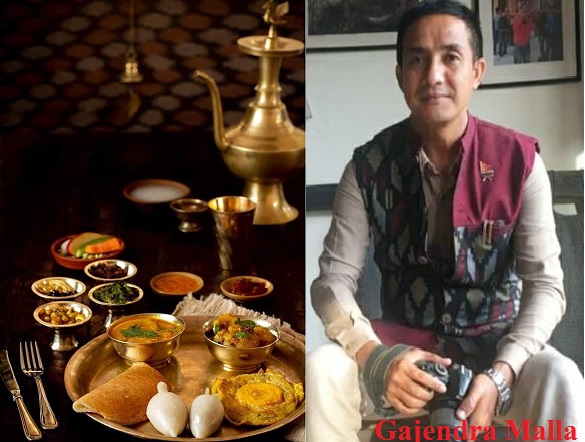
Gajendra Malla
General Manager
The Village Café by SABAH Nepal
Yala Court , Jhaimskhel


