


 |
|

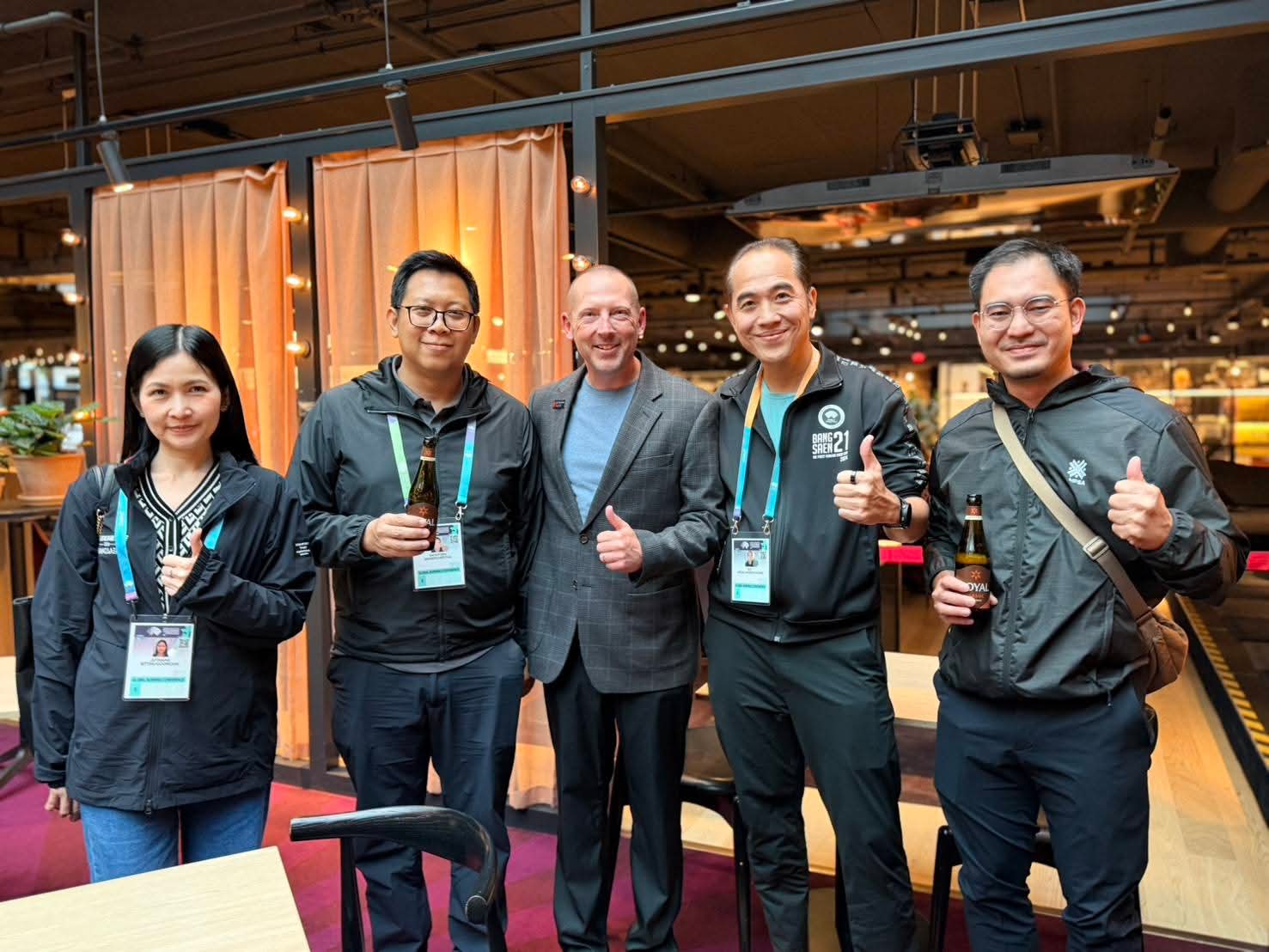
Sataporn Non Rai, Thailand / after going to the World Athletics Road Running Championships Copenhagen 2026, I came back with a lot of stories and feelings that I want to share.
And yes… this is going to be a very long post. 😄
I have been involved in running events for many years. I have been an event organizer, a runner when someone forced me to run 😆, and even a running coach. I could teach people, but honestly, I never felt confident enough to call myself a real coach.
Now, I work mainly as a race official, focusing on the technical side of road races behind the scenes.
But after attending the World Athletics Road Running Championships Copenhagen 2026 in Denmark on 19–20 September, I came back and had to rethink what a really good running event should look like.
A world-class event that did not feel like an “event”
Technically, there is not much to say. This is one of the highest levels of road racing under World Athletics regulations.
The course measurement, timing, safety management and officiating were all at a very high standard.
There were 496 elite athletes from 85 countries, competing in three distances: 1 mile, 5 km and 21 km.
And there were new records too.
Agnes Ngetich from Kenya ran 1:05:15, setting a world record for an all-women half marathon.
Andreas Almgren from Sweden won the men’s race in 58:06, breaking his own European record.
But you know what I remember most?
Not the records.
It was the feeling of being relaxed.
The event had around 65,000 mass runners. That is a huge number of people, but somehow the race became part of the normal life of Copenhagen.
People stood along the streets and cheered. There was music and entertainment. The city was decorated for the event.
More than 100,000 people came out to watch along the course over the two days.
And one thing I loved the most was seeing that the largest age group in the 1-mile race was children aged 5–9 years old.
Just imagine that.
A little five-year-old running the first mile of their life on the same streets where world champions were competing.
Normally, when I go to a running event, I think about numbers, business, costs and operations.
But this time, I forgot about all of that.
What I saw was much bigger.
Running was not just an “event” that the city had to deal with.
Running was part of the life of the city.
Who was behind all of this?
I looked into it and found that this event was not created by one organization alone.
It was a partnership between many groups in Copenhagen.
The City of Copenhagen, Sport Event Denmark and Wonderful Copenhagen helped bring the World Championships to the city.
Danish Athletics and Sparta Athletics & Running organized the competition on behalf of World Athletics.
The person leading the organizing team was Dorte Vibjerg, CEO of Sparta, a local running club in Copenhagen.
And ASICS was the main sponsor.
It became a very strong team built around cooperation.
The volunteers
This was one of the things that impressed me the most.
As someone who often works with race teams, I know how important volunteers are.
In Copenhagen, volunteers received a T-shirt, a long-sleeve shirt and running shoes from ASICS.
They were not paid in cash.
But they came to their positions with big smiles.
Why?
Because this was their city’s event.
And I could really feel that the volunteers felt like they were part of it.
They were not just helping at an event.
They felt like they owned a small part of it.
A tradition that started from one event
When I looked at the history, I finally understood why Copenhagen had this kind of atmosphere.
Copenhagen hosted the World Half Marathon Championships in 2014.
Then, one year later, the Copenhagen Half Marathon was created from that success.
One event became a tradition that people in the city look forward to every year.
Today, more than 100,000 people reportedly enter the lottery for around 45,000 places in the Copenhagen Half Marathon 2027.
From 2014 to 2026, Denmark has taken only around 12 years to build this running culture to this level.
When I look back at Thailand, I can only take a small breath and think…
Why can’t we do something like this too?
What happens when you keep organizing year after year?
The impact is not only about one race.
At least 25% of Danish people say running is one of their leisure activities.
Running programs connected to these events have already brought around 14,000 children and young people into running.
And something I found really interesting is that 70% of this year’s runners were from Gen Z and Gen Alpha.
Back in 2014, around 70% were Baby Boomers.
That means the city has successfully passed its running culture to the next generation.
That is much bigger than just organizing a race.
Let’s play with the numbers
Even though money was not what I focused on this time, I could not stop myself from thinking about it. 😄
I looked at the entry fees from the official website and multiplied them by the maximum number of runners for each distance.


